Installing cameras for fighting crime and tax evasion, using computer technology for removing corruption, and implementing EVMs for ensuring transparency of election results are all uses of technology to solve problems. However, "technology is as good as the people using it". Utility of a technology is dependent on the ability and competence of people using it.
Thursday, September 16, 2021


EVMs will fail in Pakistan because it is more of a management problem than a technology problem
EVM is a much bigger logistics & management problem than a technology problem!
Assuming EVMs are technologically feasible, now please work out the logistics and management issues of manufacturing, testing, transportation, storage, issuance, receipts, returns, installation, post installation testing, quality assurance, maintenance, malfunction detection, repair, supervision etc of uniquely numbered 7 lac devices. Mind you, that all these devices will have to work flawlessly for only two days out of every five years in 100,000 polling stations spread over big cities, small cities, villages in areas spread over a country consisting of mountainous regions, deserts, plains, etc with highly differring levels of roads, internet, communication infrastructure using over 4 lacs polling staff that is conscripted for election duty from government departments for election duty. Each of 1lac polling stations has at least 7 hardware devices; 1 device for voter identification, 1 control unit, two ballot machines for men and 2 ballot machines for women (out of two, one is for NA and the other is for PA), and 1 RTS machine.
Assuming EVMs are technologically feasible, now please work out the logistics and management issues of manufacturing, testing, transportation, storage, issuance, receipts, returns, installation, post installation testing, quality assurance, maintenance, malfunction detection, repair, supervision etc of uniquely numbered 7 lac devices. Mind you, that all these devices will have to work flawlessly for only two days out of every five years in 100,000 polling stations spread over big cities, small cities, villages in areas spread over a country consisting of mountainous regions, deserts, plains, etc with highly differring levels of roads, internet, communication infrastructure using over 4 lacs polling staff that is conscripted for election duty from government departments for election duty. Each of 1lac polling stations has at least 7 hardware devices; 1 device for voter identification, 1 control unit, two ballot machines for men and 2 ballot machines for women (out of two, one is for NA and the other is for PA), and 1 RTS machine.
Wednesday, September 8, 2021
A Drive on a Rickety Cycle and Sufistic Thought by Shah M Ismail Rauf
This is a story/article written by my dear mamoo Shah M Ismail written around 1953-55. Today September 8, 2021 is his 22nd death anniversary. He retired as Major in 1980s. He was great man who taught me how to love and play with children.
Father of Faizan Shah, Faryal Osman Khan, Faraz Shah, Fariha Ahmreen, Farid Shah.
Rauf Mamoo as he was called by our entire extended family. Humaira Tariq, Sm Omar, Rabia T Zeeshan,.....Whether those who are be relation his grand daughters or grandsons or their sons and daughters would call him Mamoo.
He was our companion in Hajj of 1996. What a great memorable 40 days.

Tuesday, August 31, 2021
Partition, Broken Families, Migration Ethos: Bharat ko Janey Waley by Fatima Khatoon
Farewell picture of my grandfather Abdul Ghani Hyder's return in June 1951 with the extended family. Research for names of those in Pic and labeling them with numbers was done by Khurshid Alim Zaidi, a very painstaking task.

My recitation of the poem
Is Marriage an Imprisonment? Feminism, Relationships and Freedom from Responsibilities
کیا شادی قید بامشقت ہے؟
This post is triggered by FB posts which mentioned marriage as imprisonment with hard labor:
"قید بامشقت"
This post captures the intent of feminist and modern thought which is now focused so much on freedom that it considers "responsibilities" as imprisonment (قید).

Tuesday, August 24, 2021
Phuppi Tufail Fatima Care for Family and Parents
My phuppi Tufail Fatima breathed her last yesterday August 23, 2021. She was 103 years of age. Her birth-year (called ism-tareekh اسم تاریخ) is 1918 as given in the manuscript penned by her grandfather (my grandfather's father) Syed Ikram Hyder. Her Tareekhi Names derived from the birth year were Ghani Behr e Rehmat (غنی بحر رحمت), Khabeer Zahir( خبیر ظاہر), Khursheed Nusrat Panah ( خورشید نصرت پناہ). She was an exemplary woman who maintained her regimented lifestyle throughout her life till old age restricted her to bed a few years ago. Strict timings for meals, tea, prayers, and housekeeping. She did her BA in 1938 and BT in 1939 from Aligarh University. She taught in the Mauripur base school in 1950-60s. Her care for immediate family and extended family members was exemplary. All through the 1970s she first cared for her mother-in-law during her old age deathbed for around five years, and then her mother during her old age deathbed. Great lady who was worrying even during her last years about taking care of guests when she had forgotten who was who and could barely talk and had lost sense of time, era, and people around. I remember a year or so before when I visited her, she had forgotten who I was but sensed that I am a visitor and wanted to know whether I had had some refreshment. Something she did with all around.
Inna lillah e wa inna ilaihi rajioon

[Ikram Hyder was a forest officer in late 19th century and early 20th century and belonged to the Naqshbandi Sufistic tradition. This excerpt is from his documents/papers collection. The page from which this pic is cropped also contains اسم تاریخ of my uncles. The date of this writing is 1925-30, which is estimated from the ism-e-tareekh of Tufail's brother, born in 1925, and written on the same page using the same pen].
Ism e Tareekh and Qata e Wafat: How Birth and Death Years were remembered in History
Ism-e- tareekh ( اسم تاریخ) was the name computed from the year of birth. There are numbers assigned to each letter of the alphabet. Sum of the numbers assigned to each letter of birth year name evaluate to the birth year. See the computations of names of my father, uncles and phuppo by Syed Ikram Hyder Naqshbandi (father of my grandfather) written in 1930s. Typically they were made to evaluate to hijri years and then converted to Gregorian calendar year. Here it shows the names of Tufail Fatima, Syed Ahsan Hyder, Syed Luqman Hyder, Syed Osman Hyder, Syed Ramzan (Sultan) Hyder, and Syed Saeed Uddin Hyder.

Similarly, year of death was often computed from the sum of numbers assigned to the letters of a verse. Typically four (قطعہ) verses were used by poets and was called قطعہ وفات. These verses and names were used to remember the year of death and year of birth.

Sunday, August 1, 2021
Teachers at ICB/IMS

Sitting Sir Manzoor Ahmed Khan (English), Sir Nafees Siddiqui (English), Principal MKA Beg, Madam Shuja Zaidi (Headmistress), Sir Jan e Alam (Urdu), Sir Ghalib Raza (Urdu)
This appears to be editorial board of Sumbul, school magazine

Sunday, July 18, 2021
Self awareness and layers of intentions
Self-awareness is the process of discovering deeper levels of intentions. Whenever we are disturbed and feel an urge to respond or act on a stimulus we need to introspect about what is it that has disturbed me and is giving me this urge to respond.

But, more importantly our holier-than-thou feeling that produces this urge to respond may itself have deeper issues that require self awareness and self introspection.
We need to first identify the intention behind any action (or its contemplation). The first reason that comes to our mind represents the first level of intention. Below the first level intention is another level of intention. Below the second level of our intention there may be another level of intention. We need to peel off these succesive layers of intentions before we discover the core intention that is giving rise to upper levels of intentions. This deepest core intention is most often a fundamental, most disturbing, weakness in us, that we are hiding with our upper level (lesser disturbing) intentions.
This is how I analyze each event that disturbs me
Thursday, July 15, 2021
Elegance, Love and Principles in Roman Holiday
One of the most memorable endings of a movie.
I have thought a lot about the emotions and feelings generated by this movie since my early school days.
First saw this movie in 1971-72 on PTV. Then in 1983-84 on projector at American Center audi (adjacent to Marriott) during classic films festival. Then in 1988 on videocassette checked out from movie collection at UGL in UT Austin, and later at KBVO channel 42. Then a couple of times in early 1990s rented from Blockbuster Videos in Austin. Then bought the videocassette in late 1990s and a couple of times. And watched it several times with each of my children during 2000s. And of course with CDs and now online at least once every other year.

What an experience and what memorable feelings. They don't make movies like this anymore. The delicacy and refinement of the subject, emotions and an everlasting experience.

Happiness and Forgive and Forget Rule
Forgive and forget rule for happiness!
The question to ask is whether you want to be happy or not!
اے شمع تیری عمر طبیعی ہے ایک رات
ہنس کر گزار یا اسے رو کر گزار دے
Holding a grudge and protecting it is like carrying stale foul smelling tomatoes for long periods and not throwing them away despite their stench.
وہ اچھا سلوک جو آپ نے دوسروں کے ساتھ کیا اس کا بھولنا اس حکمت میں پوشیدہ ہے: "نیکی کر دریا میں ڈال" اور "احسانمند کے شر سے ڈرو"

لوگوں کا رویہ ہمارے رویہ کا پرتو اور عکس ہوتا ہے
اگر آپ کسی کا رویہ اپنے ساتھ تبدیل کرنا چاہتے ہیں تو سب سے پہلے اپنا رویہ ان کے ساتھ تبدیل کریں!
Covey's 1st Habit "Being Proactive"
نیکی اور بدی برابر نہیں ہوتے- نیکی کا بدلہ نیکی ہے- بدی کا بدلہ بدی ہے- کان کا بدلہ کان ہے اور ناک کا بدلہ ناک ہے- البتہ معاف کرنا زیادہ افضل ہے اور معاف کرنے کے بعد بدی کا بدلہ نیکی سے دینا سب سے زیادہ افضل ہے-
Sunday, July 4, 2021
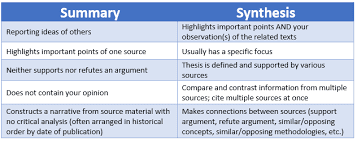
How to Identify Synthesis in the tables of your PhD Literature Survey
Instructions to my PhD students:
Please note that The taxonomy master and taxonomy detail are only a "structured" way of organizing the information and identifying "codes" and discovering "themes and categories". It is a tool to help you identify the literature support that leads to your PS.
You need to transform this structured information into distilled tables where individual papers at max could be in footnotes.
We discussed in class the tables used by Dr Omar Javaid and Dr Junaid Ansari dissertations tables in the chapter on literature survey. The dissertations are in lms.
You need to design those kinds of tables that fit the thrust of your paper areas.
Most of you have been asked to change/make these tables.
Please note that The taxonomy master and taxonomy detail are only a "structured" way of organizing the information and identifying "codes" and discovering "themes and categories". It is a tool to help you identify the literature support that leads to your PS.
You need to transform this structured information into distilled tables where individual papers at max could be in footnotes.
We discussed in class the tables used by Dr Omar Javaid and Dr Junaid Ansari dissertations tables in the chapter on literature survey. The dissertations are in lms.
You need to design those kinds of tables that fit the thrust of your paper areas.
Most of you have been asked to change/make these tables.
Saturday, June 12, 2021
The Art of Gentle and Soft Persuasion- Dr Zahir Ali Syed
Dr Zahir Ali Syed, Director of UIT (Usman Institute of Technology), was plucked from us yesterday June 11, 2021, in a murderous event reminding Karachites of how Hakim Saeed was taken away from us in a terrorist murder some 25 years ago. Inna lillah e wa inna ilaihi rajioon!

Saturday, May 29, 2021
Fauqul Chacha and Family Help
I knew them both and their father Fauqul Hasan Zaidi. Fauqul chacha will regularly drop at our place for morning tea with my father and mother during his break journey on his way from his home in F-6/1 to his office in the old state bank building which was being used as parliament building temporarily during the 1970s. Had heard wonderful stories of his adventures in Bengal and in Northern Pakistan.

We are greatly indebted to marhoom Rashid Bhai s/o Fauqul Hasan Zaidi for his great support and help in arranging the logistics of the wedding food arrangements of my two eldest sisters Farida apa n Ghufaira Apa. Farida Apa with Rafi Uddin Haider in 1975 and Ghufaira apa with Misbah Ahmed Zaidi s/o Fiza A Zaidi in 1977. I was in school during those days. There didn't use to be caterers of the type available today who do everything and just deliver the food on time at the event. In those days there used to be only cooks (bawarchi). It was the responsibility of event organizers to arrange for utensils, gosht, chawal, masalay, ghee,.... Individually each ingredient had to be purchased separately, utensils rented, and cooking burners set up and made available at the site. Cooks would simply come on the day, prepare n ground masalas and cook the food. Food was prepared at site by the cooks.
The entire food logistics of the two marriage functions were supervised by Rashid Bhai the great. May Allah give him the best of abodes in the hereafter. Aameen
Rise and Fall of Dictators and Kings: Delusions of Grandeur by Neocolonialism Forces
Last Shah of Iran
How the kings are installed and propped by the great powers;Just finished seeing this BBC documentary about the shah of Iran whose pompousness we grew up with. I remember waiting for hours on the Chaklala road to airport in 1967 to catch a glimpse of the motorcade. But, I was too young (around 5) for the wait, and left early and later came to know that his motorcade has passed. Witnessed Murree Road being renamed as Raza Shah Pehalvi Road and after his debacle again being renamed Murree Road. There was such pomp and show in the newspapers about his his 2500 years coronation ceremonies, read about the intrigue and the stories of his previous wives and current wives in Jang. Also, saw the yearly pictures of his heir being groomed to take over his crown. The heir's ascent was short circuited by the Iranian Revolution. The documentary made me recall the story of the womanizer and drunkard dictator of Pakistan peeing in the flower pots during the 2500 year coronation celebrations, and the dictator getting slapped by a lady in the royal feast. I recalled the stories of lavishness of Shah, his blind following of the West, and the wholescale adoption and imposition of foreign culture on the poor Iranians. Western powers that brought him also left him high and dry after the revolution when he was moving in his airplane from country to country till eventually was sent to Egypt to spend his last days. The daily stories of scores people being shot after the revolution reminded me of the reign of terror in France after the French revolution.
The king was a fool made to think that he had divine right to rule, propped by US/British advisors, bent upon robbing the aspirations of poor third world countries. How this project of "modernization' at the expense of people's aspirations gets implemented. It reminded me of the puppet Last Emperor of China. How history and reality catches up with reality. Now people don't even remember or recall his artificial glory.
Idi Amin:
The pomposity with which he came to the Islamic Summit in 1973. We thought as children then that he was much cherished by his people. His rise and fall happened in front of my eyes in the 1970s. His portrayal in Last King of Scotland tells us of the artificial pomp of the dictators, shahs and sheiks propped up by Western powers to satisfy their neocolonialism agenda. When a few years ago I went to Uganda I realized how destructive these stooges are in the developing countries. The plight of Idi Amin in an Egyptian hospital where he breathed his last was well captured by Javed Chaudhry in one of his columns. https://m.facebook.com/permalink.php?id=474290666706912&story_fbid=491247315011247Anwar us Sadat
Qaddafi
Hosni Mubarak
Saddam Husain
Gen Ayub
Gen Yahya
Gen Zia
Gen Musharraf
Saturday, May 22, 2021
Leadership Style of Imran Khan as Cricket Captain and as Prime Minister
Imran Khan leadership style:
Is IK trying to run the country exactly as he ran the captaincy of Pakistan cricket team? Favoritism in picking up players, holding of personal grudges against fellow players, and being vindictive against those who dared to disagree with him. Habit of making arbitrary and adhoc decisions, which worked in cricket because cricket is largely a game that depends too much on indidual brilliance. Cricket is a game where a team's spectacular performance is often a chance; a coincidence of glorious uncertainties when a few individuals happen to click together to produce scintillating results....

Sunday, May 16, 2021
How Legacy is Transmitted over Generations: Case Study of Ikram Hyder
During lock down I was organizing the old stuff left by my father. In that I found some papers in old dilapidated state, crumpled. On closer inspection I found them belonging to my grandfather's father. Till this time I had only seen a Pic of my grand father's father in a Pic of my father's graduation in 1930s. The person in white beard. On greater inspection I found that he belonged to naqshbandi silsila. in those papers there were his منظوم صوفیانہ کلام dating back to 1880s. The Kalam is in Arabic, Persian and urdu. It has been a great excavation and curating experience. No one in the family today seemed to be aware of this treasure or the spiritual life of my grandfather's father. My father did not share this and we did not ask him. He had been too reticent about his life before partition. It was too painful. But now I could see the connection of ethical and spiritual values of my grandfather's father with the strong character, truthfulness, morals, principles of my father, uncle, and three of my father's cousins standing in this Pic. I could see the strong influence of these values in their life with this lineage. I can now connect many of my personality traits with those spiritual teachings which I stumbled on in these papers. I could see those values alive and kicking within my siblings and cousins....
 Life is insignificant (in khasara) except for those who believed, did good deeds, promoted Haq and enjoined sabr. The good deeds and tarbiyat of our parents spreads through our actions and good deeds and the tarbiyat that we do of our children. We may not know the name of our great grandfathers, but their legacy of good deeds got transmitted to our grandparents and from them to our parents and from them to our children and inshallah to our children's children and then on and on, inshallah. Names and places are forgotten by mortals but the good deeds live on and their contribution would be counted and tallied on the day of judgements by the omniscient Allah.
Saturday, May 15, 2021
Visit to Baba KhorwaRi Shrine Ziarat
I had experience of meeting someone who predicted the rain fall time precisely. It was 1983 in ziarat, our NED batch mates of 1980-85 were on the study trip of Pakistan. We were around 200 students in three compartments that was attached to different trains and detached at various stations in the city for a few days while we visit places. We reached in July to Quetta and the compartments were detached at the Quetta station. After visiting a few places we went to Ziarat in three buses. We reached there around 12-1pm. As the students were waiting for lunch we started exploring the area. About 5 of us got more excited when we asked about places to visit and someone told us about a track leading to the shrine of Baba Kharwariz. We ventured towards Baba Kharwari's Mazar via mountaneous trek through a forest. We were told that it was a 20 minutes distance rural distance. We went along for 30-40 minutes. Each local wayfarer on the way, we asked how far is the shirne and he would tell us it was just a few minutes ahead. Those few minutes on and on became half an hour, and then another half an hour. It was around 245pm when we asked yet another local who was passing by, he looked at the sky which was then clear and then he looked at his watch. He then advised us to return. He warned us that there would be thunderstorm and rain at 3pm. The path would be filled with flash floods and then it would be difficult for us to return. We ignored him because it was sunny and clear and there were no signs of any clouds. But in around 5 minutes we saw some ominously threatening clouds moving towards us. Another 5 minutes and we could hear their grumbling. We got scared by the thunder and the impending darkness and decided to return. Initially we were just walking, but then it became dark, the clouds came so near, and the lightening and thunder became severe. Lo and behold as we neared 3pm it became dark and we started running. At 3pm there started vicious rain. The trek path soon resembled a stream and then a torrent. We started running as fast as we could. We were afraid of the intensity of the flash floods and were fearful that we would swept by the torrents. Soon we were fully drenched and running for our lives. By the time we reached the road, we were thoroughly drained, drenched, and fighting for breath...
Rest is another story


Wednesday, May 12, 2021
Economic Hit of Pakistan: CAD Focus vs GDP Neglect
CAD focus vs GDP neglect (IKnomics Hit) :
"کرنٹ اکاؤنٹ خسارہ" CAD: ایک صاحب کی دکان خسارہ میں چل رہی تھی- ایک دن انہوں نے فاتحانہ اعلان کیا کہ پچھلے مہینہ انہوں نے CAD خسارہ پر قابو پا لیا! پوچھا وہ کیسے؟ فرمایا "بڑا آسان تھا، بس دکان بند کر دی، تمام ملازمیں کو فارغ کر دیا، تمام ضروری اور غیر ضروری اخراجات بھی ختم کر دئے، کرنٹ خسارہ زیرو!"
جی ڈی پی GDP گروتھ:
ایک صاحب کی دکان خسارہ میں چل رہی تھی- ایک دن انہوں نے فاتحانہ اعلان کیا کہ انہوں نے CAD خسارہ پر قابو پا لیا! پوچھا وہ کیسے؟ فرمایا "بڑا مشکل اور تکلیف دہ تھا، میں نے ایکسپرٹس سے مشورہ کر کے اپنے بوسیدہ سسٹمز کو تبدیل کرنے کا فیصلہ کیا، اس انویسٹمنٹ کے لئے مجھے قرضہ لینا پڑا جس سے نئے سسٹمز خریدے اور دو سال لگا کر تمام بوسیدہ سسٹمز تبدیل کئے، فضول اخراجات ختم کئے، پراسیسز آسان کئے، اب میرے کسٹمرز بھی خوش ہیں ان کو بہترین پراڈکٹس کم قیمت پر، کم وقت میں آسانی سے دستیاب ہیں، کاروبار میں اضافہ ہوا، نئی پراڈکٹ لائنز شروع کیں، ملازمین کی تنخواہوں میں اضافہ ہوا، نئے ملازمین کو جاب دیں، کرنٹ خسارہ منافع میں تبدیل ہو گیا!"
Over the last 3 years IKnomics policies has crippled the economy whilst propoganda machine trumpets false economic principles related to magical properties of CAD while denigrating GDP.
Gross domestic product (GDP) is the total monetary or market value of all the finished goods and services produced within a country's borders in a specific time period. As a broad measure of overall domestic production, GDP functions as a comprehensive scorecard of a given country's economic health. It encapsulates growth in economy due to growth of business, production, services, and the resultant employment opportunities.
On the other hand, Current Account Deficit or CAD is the difference between the money coming in due to exports and the money going out due to imports. It is no where in world used as indicator of economic health of country. CAD only tells you about the ability to service external debt, as such it is only in Pakistan's IMF dictated "IKnomics" that CAD was used for measuring health of Pakistan economy during first 3 years of IK with disastrous consequences.
The single minded focus on IMF CAD related policies were responsible for the crash of GDP from 5.8% to - 0.4%, reduction in jobs over the last three years by over 5 million, and increase in inflation (too much money chasing too few goods), and hemorrhage of economic sentiments.
IK should have curtailed luxury imports without impacting raw materials for our production. Instead of clamping down hard on smuggling and significantly increasing duties on luxury items, IK tremendously increased the exchange rate and utilities costs while simultaneously going after the small and micro businesses, which resulted in decrease in production and increase in prices of all the inputs, increasing the prices of outputs, reducing the viability of many businesses and their shutting down.
Ability to service debt is measured as a percentage of the productivity of economy (i.e GDP). A country with high GDP growth can sustain larger debt. This is similar to a person earning 100k can service a larger debt than a person earning only 10k. There are several countries with higher debt to GDP then pakistan but that is not a problem for them. For example Japan has around 200% whereas Pakistan is around 50%. Over here IK increased the policy rate to 13.5% that made the local debt servicing the largest single item of our expenditure around half of all expenditure even more than military expenditure!
One must read the history of how government investment in infrastructure (GDP growth ) got USA out of the global Great Depression. This came to be known as Keynesian Economics that is taught in every Economics 101 course in the chapter on overcoming recession. See this
https://www.popularmechanics.com/technology/infrastructure/a24692/fdr-new-deal-wpa-infrastructure/
Saturday, May 8, 2021

Subscribe to:
Posts (Atom)