Showing posts with label Life. Show all posts

Friday, September 29, 2023

Alif Laila Series of Ferozesons and my love for books

 مجھے سب ہے یاد زرا زرا-- تمہیں یاد ہو کہ نہ یاد ہو

کس کو یاد ہے ان 6 کتب کی قدر مشترک؟
ملکہ شہرزاد
حجام اور قزاق
چین کی شہزادی
گنجا لنگور
سندباد کے سات سفر
معروف موچی
1970 کی دہائی میں یہ کتب میری اسلام آباد میں "ملت لائبریری" کا حصہ تھیں جن میں بچوں کی فیروز سنز کی کتب کے علاوہ ابن صفی، این صفی، مظہر کلیم وغیرہ کی کتب تھیں
کل فیروز سنز نزد تین تلوار جانے کا اتفاق ہوا، تو یہ سیٹ خرید لیا--
کیا زبوں حالی کا شکار نظر آیا-- فیروز صاحب کے بچوں کی اگلی نسل کیلئے فکر فردا کا مقام
فیروز سنز کراچی کا پتہ:
تین تلوار سے دو تلوار کی طرف جاتے ہوئے الٹے ہاتھ پر شیل کے پیٹرول پمپ کے سامنے کھڑے ہوں تو سیدھے ہاتھ والے کونے کے سامنے کمرشل کے فرسٹ فلور پر


Tarzan and My Language Acquisition

ٹارزن کے جنگ اخبار میں روز شائع ہونے والے تصویری سلسلہ سے میں نے تقریباً 5-6 سال کی عمر میں اخبار پڑھنا شروع کیا-- یہ 1967-68 کا زمانہ تھا-- روز صبح امی، ابا یا بڑی بہنوں سے اصرار ہوتا تھا کہ وہ پڑھ کر سنائیں، اور شروع میں دو چار دفعہ ہر ایک نے سنایا-- چونکہ ہر کوئی اکثر اپنے کاموں میں مصروف ہوتا تھا، اور کہتا تھا بھئی خود پڑھ لو-- چنانچہ جھنجلا کر خود ہی پڑھنا شروع کر دیا-- اس کے بعد یہ چاروں فیروز سنز کی کتابیں IMSG سپر مارکیٹ اسلامآباد کی لائبریری سے لے کر پڑھیں-- بعد ازاں ٹارزن کی ان چار کتب کا پورا سیٹ خریدا اور بیسیوں دفعہ پڑھ ڈالا-- فیروز سنز کی ایک کتاب اسکول سے واپسی کے بعد کھانے کی میز پر شروع کرتے تھے اور وہ کوئی ایک ڈیڑھ گھنٹے کی مار ہوتی تھی--- ہماری imagination تخیل اور ایڈونچر کی آبیاری ان کتب سے شروع ہوئیں-- بعد ازاں اوریجنل بھی پڑھنے کا موقع ملا--
یہ چار کتب فیروزسنز واقع نزد تین تلوار شیل پٹرول پمپ سے خریدیں اس پیر کو خریدیں تھیں--

Ikram Hyder Naqshbandi Naatia Kalam in Different Languages

میرے دادا کے والد سید اکرام حیدر (1854 - 1942) کی غالباً 1920 کی دہائی کا لکھا ہوا نبی کریم صل اللہ علیہ وسلم کی شان میں کلام، مختلف زبانوں میں

بسم اللہ الرحمن الرحیم

بزبان عربی

للہ الحمد علی راسنا   ار سلت نبی

من نبی اقبل احکام شرقی غربی

کان امی لقد ا عالم و علم العجبی

قال واللہ لک؟ رحمت احمد ربی

سیدی مرشدی مولائے محمد عربی

مرحبا سرور عالم تو عجب خوش لقبی

Saturday, April 29, 2023

Preserving Old Handwritten Bound Manuscripts-Deewan-e-Baqa by Shah Abdul Ghafoor Manikpuri 1854-1930

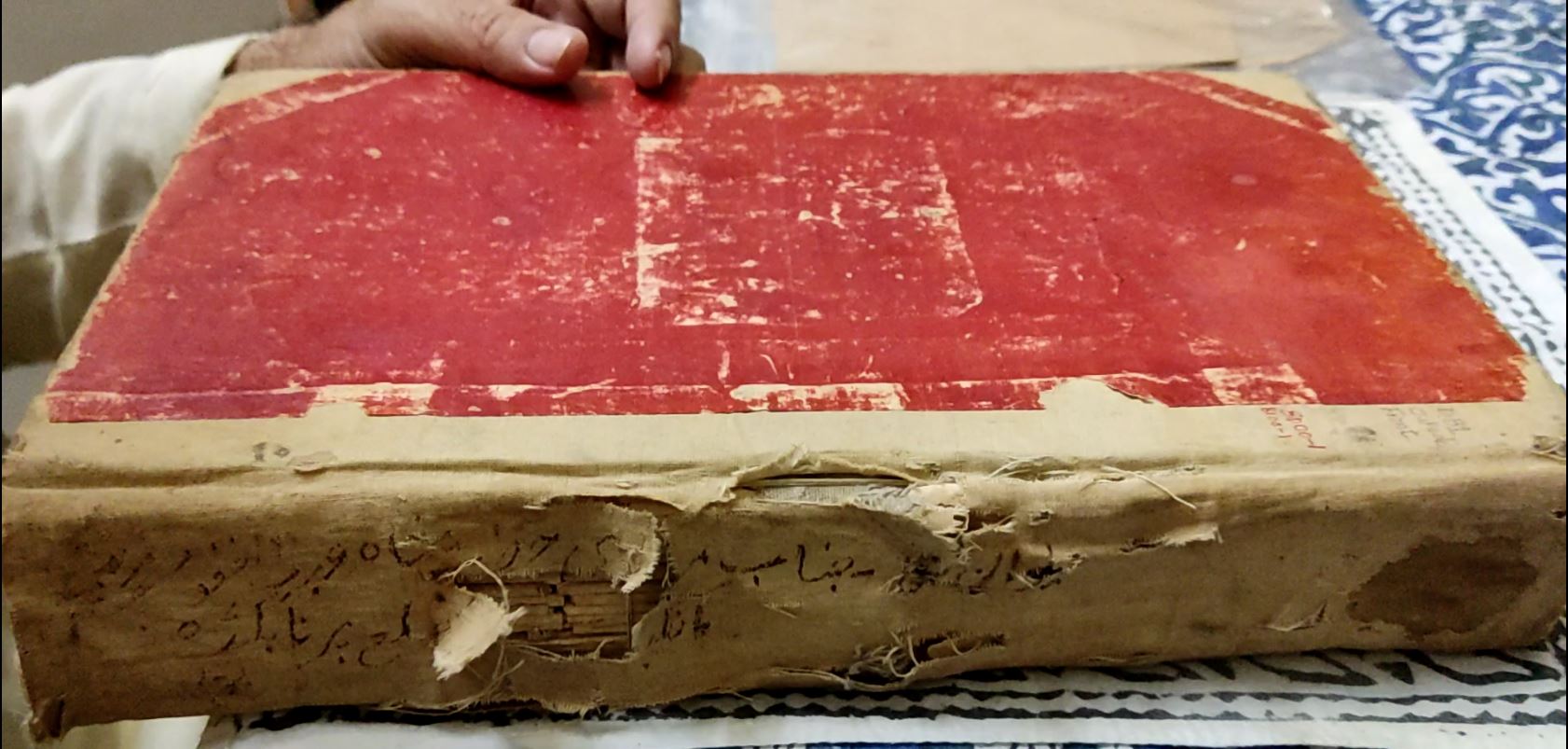
This post describes how I am preserving the old handwritten poetic manuscripts written around 1880-1930. They had come to me in a bound volume as seen in the picture below. The binding was labeled Deewan-e-Baqa. Baqa being the poetic name, takhalus, of Shah Abdul Ghafoor Manikpuri. Baqa is used in several ghazal and poems in this volume. The experience of Archival of old manuscripts has taught me to become a "heritage detective". The detective is pouring over these old handwritten poetic manuscripts trying to decipher the old hand writing, to find the links and clues spread in these manuscripts, to identify the years when they were written, to identify different handwritings, to identify the links between the different types of cotent pages that were collected in this bound volume, to understand the history of how these pages got collected in this binding which was done some 30-40 years later, to understand the chain of transmittal and weave a credible story around the discovered artifacts. 

The next stage is the preservation in protector sheets of these old pages, sending them for scanning, typing and transcription followed by editing and proof reading. Then would come the stage of understanding of the contents, and connecting the contents with the social history of that time, and connecting them with the relevance of our times. This experience reminds me of how archeologists discover, date, investigate, link and try to understand the history of old times by connecting them with different related artificats of that time and the artifacts connected with that time and place. 

دیوان بقا از مولوی شاہ محمد عبدالغفور المانکپوری، ضلع پرتاب گڑہ

Tuesday, April 18, 2023

Rauf Momani and Great Memories of a Lively Lady

Rauf Momani and Great Memories of a Lively Lady

On 12th of April, 2023, Mrs Parveen Rauf Momani, my mother's brother's wife left this world to meet her creator. Inna lillah e wa inna ilaihi rajioon. May Allah give her the best of abodes in the hereafter. Aameen. 


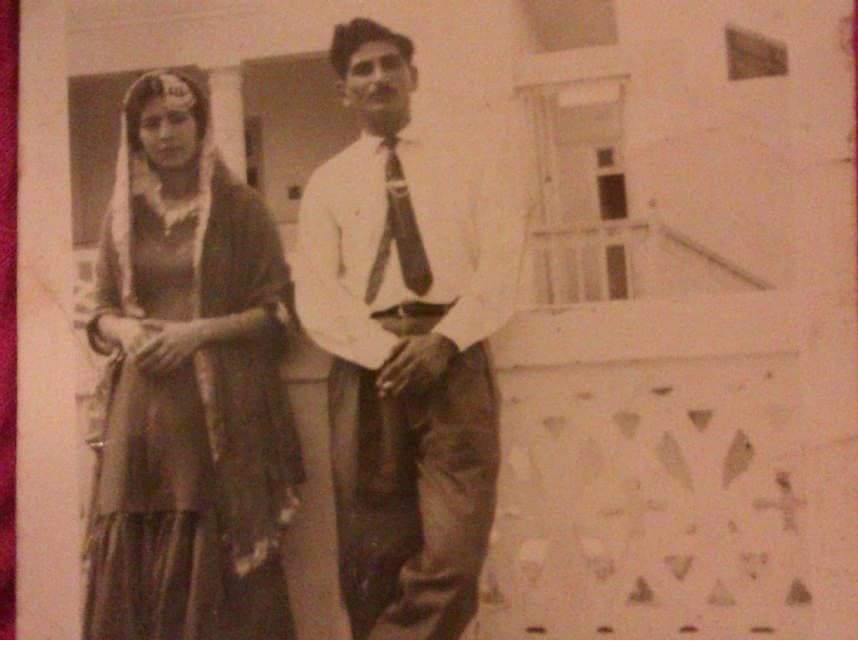
Rauf Mamoo and Rauf Momani (1960)

How families Used to Spend Eid Days

How Eid Days were spent:

جب ہم 1980 میں کراچی آئے

تو عرفان بھائی کے ساتھ موٹر سائکل پر میں عید بقر عید سب سے ملنے جاتے- ابا جان امی ہم کو خاسص تاکید کے ساتھ بھیجتے- عرفان بھائی اپنے دوست سے موٹر سائکل ایک دن کے لئے لاتے- چلانا بھی نیا سیکھا تھا

ہم فیڈرل بی ایریا غفیرا آپا کے گھر سے شروع کرتے پھر خلیل بھائی ، ہارون خان، فریدا ،آپا پی ٹی آپا عثمان چچا ،بھیّن بھائی( لقمان چچا کے بیٹے)پاپوش میں بڑے عثمان چچا(اوصاف بھائی کے ماموں)یاسین چچا، بھائی ظہیر الحق،سعید حیدر، سیّد پھپا جمشید روڈ،بڑی خالہ جان بہادرآباد

پھر واپس گھر اس وقت کسی نے کہا تھا کہ بھائی لقمان اور آپا حسنہ آئیں نہ آئیں لوگ ان سے ملنے جاتے تھے کیونکہ وہ بڑے تھے مگر اب انکےبچے دس دفعہ آئیں تو کوئی ایک دفعہ انکے گھر جائے گا اور مجھے یہ بات ہمیشہ یاد رہتی ہے-

اسی لئے جب میں مکہ سے آتی تھی تو رینٹ کار سے کر ایک دن کے لیے لے کر سب سے ملنے جاتی - زہیرا آپا کے ساتھ- لانڈھی سے ناظم آباد تک- ملیر بھی- کیونکہ ہم امی کے ساتھ بھی جاتے تھے

Discovery and Rememberances of a 1951 Journey via Ship from Karachi to London onwards to Brazil

1991-11-09.  This photo is just the start of the journey to Brazil whose vivid description and experiences are captured in the following letter by Good Beti to Nice Beti

Tuesday, March 14, 2023

Sociology of Mail Delivery in villages

انٹرنیٹ سے پہلے خطوط کے زمانے کی طرز معاشرت  شہروں میں کیا تھی (امریکہ سے میرے خطوط) ؟ 
نیچے گاؤں کی طرز معاشرت کا بہت بہترین نقشہ ہے
============
گاؤں کے خط، خیریت، بری خبر، ڈاکیہ، معاشرت
از محمود زیدی
دوستو، اپنے گاؤں میں دینو چاچا کے نام سے مشہور  دین محمد صاحب آج اسی برس کے ہوگئے ۔۔۔ 
یہ میرے مسجد کے ان بارہ ساتھیوں میں سے ایک ہیں ۔۔۔ جو ہر روز صبح فجر کے بعد باغ کی سیر کیلئے جاتے ہیں۔۔ باغ کی سیر کے بعد ہم تمام لوگ نزدیکی بنچوں پر بیٹھ جاتے ہیں۔۔۔ اس سے ایک دوسرے کی خیریت بھی معلوم ہوجاتی ہے اور ادھر بریگیڈیئر سلمان رضا صاحب کی حالات حاضرہ اور حامد قدوائی صاحب کی علمی و ادبی گفتگو سننے کا موقع بھی مل جاتا ہے۔۔۔۔ بیچ بیچ میں شاہد جمیل کے 'انور مقصودی' جملے بھی سننے کو ملتے رہتے ہیں۔۔۔۔۔  بارہ افراد کے اس حلقے میں شاہد جمیل سب سے کم عمر یعنی پینتالیس سال کا ہے اور دین محمد صاحب ماشاءاللہ سب سے عمر رسیدہ ہیں ۔۔۔۔ 
شاہد کی زبانی علم ہوا کہ آج دین محمد صاحب کی سالگرہ کا دن ہے اور ساتھ ہی اس نے حلوہ پوری کے ناشتے اور اس کے بل کی ادائیگی سلمان رضا صاحب کے کھاتے سے ادا کرنے کی خبر بھی سنادی۔۔۔ سلمان رضا صاحب نے مصنوعی خفگی سے اس کی جانب دیکھتے ہوئے یہ ذمہ داری قبول کرلی۔۔۔۔ 
ہم نزدیکی کمرشل ایریا کے فٹ پاتھ پر رکھی کرسیوں پر جا کے بیٹھ گئے۔۔۔۔۔ ہم سب خوش گپیوں میں مگن تھے کہ مجھے خیال آیا کہ دین محمد صاحب تجربہ کار اور جہاندیدہ شخص ہیں کیوں نہ ان کی زندگی کے تجربات سنے جائیں۔۔۔۔ سب نے میری تجویز سے اتفاق کیا  اور دین محمد صاحب کی جانب دیکھنے لگے ۔۔۔  
دین محمد صاحب جو کہ ایک خاموش طبع شخص ہیں کچھ دیر سوچوں میں گم رہے ۔۔۔ پھر بولے میں اپنے والدین کی اکلوتی اولاد ہوں، تین سال کی عمر میں والد کے سایہ سے محروم ہوگیا ۔۔۔۔ والدہ نے پالا پوسا ۔۔۔۔ میں نے میٹرک تک تعلیم حاصل کی جو اس زمانے کے حساب سے اعلیٰ تعلیم سمجھی جاتی تھی۔۔۔ میرے گاؤں کا اسکول پرائمری تک تھا ، چھٹی جماعت میں داخلے کیلئے مجھے  نزدیکی گاؤں میں خالہ کے گھر بھیج دیا گیا۔۔۔۔ اٹھارہ سال کی عمر میں مجھے محکمہ ڈاک میں بطور ڈاکیہ ملازمت مل گئی ۔۔۔۔ اسی سال میری شادی بھی ہوگئی ۔۔۔ والدہ کی خواہش تھی کہ میرا تبادلہ میرے گاؤں میں ہی ہوجائے الله تعالیٰ نے ان کی سن لی اور یوں میں اپنے گاؤں واپس چلا آیا۔۔۔۔ اگلے تین برسوں ميں الله تعالیٰ نے دو بیٹوں سے نواز دیا۔۔۔ والدہ کیلئے پوتے بہت بڑی نعمت تھے وہ ہر وقت ان میں لگی رہتیں ۔۔۔۔۔ 
زندگی بڑی پرسکون گذرنے لگی۔۔۔ اس وقت میرے گاؤں کی کل آبادی مشکل سے دو ہزار کے لگ بھگ ہوگی۔۔۔۔ سارا دن میں بمشکل چار سے پانچ خطوط آتے ۔۔۔ اس چھوٹے سے گاؤں میں یہ پانچ خط وصول کنندہ تک پہچانے میں مجھے صبح سے شام ہوجاتی۔۔۔۔ آپ لوگ شاید حیران ہوں گے مگر جو لوگ دیہاتی زندگی سے واقف ہیں انہیں علم ہے کہ ڈاکیہ خط لے کر جس کے گھر بھی پہنچتا ہے اسے لسی پانی کے بغیر جانے کی اجازت نہیں ملتی۔۔۔۔ اسے خط کھول کر سنانا بھی پڑتا ہے۔۔۔  سارا گھر ایک جگہ بیٹھ کر شوق سے یہ خط سنتا ہے۔۔  بعض مرتبہ تو بڑی بوڑھیوں کو یہ خط دو سے تین بار بھی سنانا پڑجاتا ہے ۔۔۔۔۔ 
میں نے چالیس برس نوکری کی اور پورے چالیس برس یہی معمول رہا۔۔۔۔ لوگ ملازمت کے سلسلے میں باہر جاتے۔۔۔  وہاں سے خطوط بھیجتے ، نوجوان پڑھائی کیلئے جاتے تو ان کے خطوط آتے، لوگ علاج کیلئے شہر جاتے تو وہاں سے ان کی بیماری یا صحتیابی کی اطلاع آتی۔۔۔ خوشی کی خبر پر لوگ مجھے گلے لگ لگ کے میرا منہ میٹھا کراتے، غم کی خبر پر سب سے پہلے میرا ہی کندھا ان کو میسّر ہوتا۔۔۔۔۔ میں پورے گاؤں کا محرم راز تھا۔۔۔ کسی گھر کی کوئی بات ایسی نہ تھی جو مجھ سے چھپی رہتی۔۔۔
گاؤں کا کوئی شخص ایسا نہ تھا جسے میں نہ جانتا ہوں ۔۔۔ لوگ خط سن کر مجھ سے مشورہ کرتے اور پھر مجھ سے ہی جواب لکھواتے ۔۔۔۔۔ہم سب خاموشی کے ساتھ دین محمد صاحب کی یہ عام سی گفتگو سن رہے تھے کہ اچانک وہ کچھ رنجیدہ ہوگئے ۔۔۔۔۔
پھر بولے ایک بار خالہ رشیدہ کے بیٹے صادق کا خط آیا ان دنوں وہ کویت میں ملازمت کررہا تھا۔۔۔۔ میں نے خط تھیلے میں رکھ لیا۔۔۔ میرا ارادہ تھا کہ یہ خط سب سے آخر میں پہنچاؤں گا ایک تو میرا گھر خالہ کے گھر سے نزدیک تھا دوسرے خالہ صادق کے ہر خط کو دو سے تین بار سنتی تھیں۔۔۔۔  
دن کے اختتام پر خالہ کے گھر پہنچ کر خط کھولا تو متن پڑھتے ہی میرا دل دھک سے رہ گیا یہ صادق کے کسی دوست فاروق کا خط تھا جس نے لکھا تھا کہ صادق کو کسی ناکردہ جرم میں گرفتار کرلیا گیا ہے اور ساتھ ہی تسلی بھی دی کہ سفارتخانے والے اس کے کیس کو دیکھ رہے ہیں ۔۔۔۔ انشاءاللہ اسے سزا نہیں ہوگی ۔۔۔۔ میرے اندر اتنی ہمت نہ تھی کہ خالہ کو یہ خط سنا سکوں ۔۔۔ میں نے دل ہی دل میں اس خط کو نہ سنانے کا فیصلہ کیا اور خالہ کو بتانے لگا کہ صادق خیریت سے ہے وہ جلد پیسے بھی بھیجے گا اور کچھ ماہ بعد گھر کا چکر بھی لگائے گا۔۔۔۔۔  خالہ سر جھکائے یہ خط سنتی رہیں ۔۔۔۔ بعد ازاں دعائیں دے کر مجھے جانے کی اجازت دے دی۔۔
میں گھر سے نکل ہی رہا تھا کہ پیچھے سے صادق کے والد نے آواز دی دینو پتر ٹھہر تجھے میں دروازے تک رخصت کردوں میں نے جلدی سے کہا خالو جی اس تکلف کی کیا ضرورت ہے۔۔۔  مگر وہ دروازے سے مجھے پکڑ کر باہر لے آئے اور راز داری سے پوچھنے لگے پتر خیر تو ہے۔۔۔۔ آج خط سناتے وقت تیری حالت غیر تھی۔۔۔ میرے پاس سوائے اس کے کوئی چارہ نہ تھا کہ اصل خط خالو کو سنادیا جائے ۔۔۔ خالو نے بہت خاموشی سے فاروق کا خط سنا پھر بولے پتر تو نے اچھا کیا رشیدہ کو اس بات کا پتہ نہیں لگنے دیا۔۔۔  جانے وہ اس کو برداشت بھی کر پاتی یا نہیں۔۔۔۔۔
پھر بولے پتر کل ڈاکخانہ میں بیٹھ کر سوچ بچار کرتے ہیں ۔۔۔ اگلے روز وہ صبح ہی آن پہنچے میں انہیں اپنے افسر کے پاس لے گیا اور ساری صورتحال سے آگاہ کیا۔۔۔۔ باہم مشورے سے طے پایا کہ اس خط کا جواب لکھ کر فاروق سے معلوم کیا جائے کہ اب کیا صورتحال ہے اور اگر فون نمبر ہو تو وہ بھی مانگ لیا جائے ۔۔۔ 
یہ غالباً سن ستر یا اکہتر تھا اس زمانے میں گاؤں تو دور کی بات ہے شہروں میں بھی فون کی سہولت آسانی سے دستیاب نہ تھی۔۔۔۔۔
خیر ہم نے خط لکھ کر بھیجا مگر ہمارا خط وہاں پہنچنے سے پہلے ہی فاروق کا ایک اور خط آگیا کہ صادق کو سات برس کی سزا سنا دی گئی ہے۔۔۔۔ بؤرھے باپ پر یہ خبر بجلی بن کر گری۔۔۔۔۔وہ دیر تک روتے رہے پھر مجھ سے بولے دینو پتر مجھ پر ایک احسان کردے ۔۔۔۔۔ خالہ کو صادق کی سزا کا پتہ نہیں لگنے دینا۔۔۔۔ تو بس اسی طرح اس کے خطوط پڑھتے رہنا اور جیل سے آنے والے تمام خطوط ہم یہیں دفتر میں پڑھ لیا کریں گے۔۔۔
دن اسی طرح گزرتے رہے میں ہر دس پندرہ دن کے بعد خط لے کر خالہ کے پاس جاتا انہیں خط سناتا اور رخصت ہوجاتا۔۔۔۔ قریب چار برس گزرے ہوں گے صادق کا خط آیا کہ اس کی بقیہ سزا معاف ہوگئی ہے اور دس دن بعد وہ پاکستان آرہا ہے۔۔۔۔ خالو خط سن کر رونے لگے۔۔۔ اسی شام ہم نے خالہ کو یہ خط سنایا۔۔۔۔ آج میں نے چار سال بعد سچ بولا تھا۔۔۔ ٹھیک دسویں روز صادق گھر پہنچ گیا۔۔۔۔ اسے رستے میں سب کچھ سمجھا دیا گیا تھا۔۔۔۔ وہ اور خالہ آپس میں لپٹ کر دیر تک روتے رہے۔۔۔۔ اس روز سارے گاؤں کی عورتیں خالہ کے گھر جمع تھیں ۔۔۔۔ جب سب لوگ رخصت ہوگئے تو میں نے بھی اجازت چاہی۔۔۔ اس وقت خالہ نے ایک ایسی بات کہی کہ میں دنگ رہ گیا۔۔۔وہ روتے ہوئے بولیں ۔۔۔ 
پتر انسان ساری دنیا سے اپنا دکھ اپنی تکلیف چھپا سکتا ہے مگر ماں سے کچھ نہیں چھپتا ۔۔۔۔۔ ایک ماں ہے جو سب کچھ جانتی ہے جب تو نے صادق کا پہلا خط سنایا تھا تو میں سمجھ گئی تھی کہ میرا بیٹا کسی مصیبت میں گرفتار ہوچکا ہے۔۔۔۔ تو مہینے میں دوبار آکر اس کا خط سناتا تھا مگر نہ تیرا لہجہ تیرے الفاظ کا ساتھ دیتا تھا نہ میرا دل کسی خیر کی گواہی دیتا تھا۔۔۔
 مجھے یہ بھی یقین تھا کہ میرا صادق زندہ ہے اور ایک روز مجھ سے ضرور ملے گا۔۔۔۔ جس دن تو نے صادق کے آنے کا خط سنایا مجھے یقین ہوگیا کہ چار برس تک جھوٹ بولتے بولتے آج تو نے سچ بول دیا ہے۔۔۔ اور پھر میں نے تجھ سے یہ خط تین بار سنا۔۔۔۔ مجھے یاد آرہا تھا کہ واقعی چار سال کے دوران سنائے گئے تمام جھوٹے خطوط خالہ نے بس ایک بار ہی سنے تھے۔۔۔۔ آپ ساری دنیا سے جھوٹ بول سکتے ہیں، اپنا دکھ چھپا سکتے ہیں مگر ماں کا دل کبھی دھوکا نہیں کھا سکتا۔۔۔۔
دین محمد صاحب یہ کہہ کر خاموش ہوگئے ۔۔۔۔ حلوہ پوری آچکی تھی ہم نے اداس دل کے ساتھ ناشتہ شروع کردیا ۔۔۔۔۔ بلا شبہ ہر شخص کی زندگی میں بہت سے ایسے واقعات ہوتے ہیں جو کریدنے سے سامنے آتے ہیں ۔۔۔۔ دین محمد صاحب نے خالہ رشیدہ کا قصہ سنا کر سب کے دلوں میں ماں کی یاد تازہ کردی تھی۔۔۔۔ الله تعالیٰ تمام ماؤں کو سلامت رکھے اور دین محمد صاحب کی عمر دراز کرے۔۔۔ آمین۔۔۔۔
تحریر : محمود زیدی Mahmood Zaidi
محمود زیدی صاحب کی وال سے

Sunday, October 2, 2022

Companions of Hajj: Dekh mera Zauq o Shauq (See My Yearning and Passion)

Hajj kay Saathi (Companions of Hajj): Dekh mera Zauq o shauq (See my Passion and Yearning)

In 2016, Arif bhai went for his second Hajj, and all through the trip, he kept on recalling     the saathis (group fellows) of that first Hajj of 1996 which I also accompanied. When I talked on Skype with Arif Bhai after the hajj, I found him emphasizing again and again that everything seems to have changed from what we saw during that first hajj; the fervor seems to be no more visible, and the buildings that we saw at that time were gone, the bazaars that existed then are gone, the small eateries run by Bengalis and offering chatpatta desi food seem to have disappeared, the local touch from the shops is gone, the view of haram as we witnessed then is no longer there; there is new construction everywhere, new building complexes, new malls,  upscale shops, trendy restaurants, and the haram is now dwarfed and engulfed by the commercial highrises all round, and above all the local homily touch that we felt then seems to have disappeared. 

I think it is not the buildings, bazaars, shops, or locale that he is missing. He is actually missing the company of our group, specifically that of the buzurgs with whom we performed that Hajj. Gone are they, the old familiar faces: Four of the buzurgs from our group of ten hajjis who went for the 1996 hajj are no longer with us. Gone is the mother of Arif Bhai with whom he was so attached. Gone are my parents around whom my life then was rooted; gone is my mother who was not only my counselor but also someone whom I looked up to for advice throughout my life. I have now realized that she was also a source of counseling and guidance to the stream of visitors who used to frequent our house. Gone is my father whose great expectations always beckoned me higher and higher.  Gone is Rauf mamoo who had this capacity of making everyone around him feel so special and so close. His commands and control during that hajj were intended to make our visits transform into troop movements, which thankfully often did not work out as planned, but were nevertheless useful for keeping us on our toes. And of course, gone is our energy of 25 years ago.

We cherish that hajj of 1996 for so many wonderful memories. Whenever we would relate stories of that hajj, people often ask, "Were you there for the Hajj or had you gone there for a picnic adventure?" How can we explain that the trip was preceded by so many preparations, was looked forward to with so much anticipation and was undertaken with so much devotion by the buzurgs accompanying us that it became a great event for every one of us. Each mealtime became a party; the simple food bought from the corner Bengali dhaabba (joint) became a celebration. Converting the labban (yogurt) bought from the corner store into lassi by putting it in a 2-liter water bottle with ice and milk and shaking it vigorously became a much looked forward process that produced the most delicious of all the drinks. The relish with which food items were picturesquely described by Anees Mamoo is now legendary. We don't know how he managed to get away from his job at Taif every other day and drove down to Mekkah to give us company and specifically to his childhood friend and cousin Rauf Mamoo. Everyone listened spellbound to the graphic description by Anees Mamoo of baray-baray (big) peaches and baray-baray tarbooz (watermelons) bought from the expedition to the sabzi mandi (vegetable market) of Mekkah where they were carefully selected with so much zest. Cutting and eating such fruit was accompanied by the fond recollections of many such baray baray fruits consumed elsewhere. The decorum with which food was laid out on the dastarkhwan on the floor mat, and the way everyone huddled together around it to consume it with so much relish reminded one of dawat e shiraz. Each mealtime turned into a mehfil with riveting stories: Stories told by Rauf Mamoo and Anees Mamoo of the time spent together in Hyderabad and stories of adventures of the shikaar (hunting) expeditions provided excitement and suspense. Fervent remembrances of the people who had passed away, riveting anecdotes from the culture that has vanished, trials and tribulations of the hard times following the 1947 migration, and of course the warmth of the connectedness of the extended family and the mutual help that was readily offered and accepted with grace and returned in kind. There was so much shukr expressed around these mehfil events that they became prayers to the bounties of Allah. The environment made each trip to haram an enjoyable and fulfilling expedition, each umra became an event which was looked forward to and each of the manasik became a pleasure-filled event notwithstanding the effort and strain. There was this beneficence of Allah that made our Hajj trip so much full of ease, comfort, and barakah.

I think the intention of Arif Bhai, Bhabhi, my eldest sister, my brother and myself for that hajj was primarily to enable the hajj of the buzurgs accompanying us to be as comfortable as possible. Three of these buzurgs were to do the hajj on wheelchairs because of their age-related infirmities and health reasons. The trip accordingly had to be planned to make their journey as exertion free as possible. This provided us with a sense of purpose to plan for and a sense of duty to diligently schedule the activities and to meticulously prepare the necessary list of required items so that we can enable the buzurgs to complete all their manasiks of hajj satisfactorily. There was this selfless and single-minded devotion that energized and kept us oriented throughout the months that we prepared for before the trip, and throughout the 40 days that we spent in Makkah and Medina.


    This preparation and planning was necessary because this was the decade of the 1990s and there were no private luxury tour packages, only general governmental arrangements. That was the decade in which we used to hear about the shocking news of hundreds of people getting trampled during jumraat one year, hundreds of people dying of suffocation and trampling in stampedes in the tunnels the next year, hundreds of people burning to death in fires breaking out in the tents at Mina one year or the following year. We heard alarming stories of hujjaj who had gotten separated from their group members, who had gotten lost and could not find their way back to their camp for days, who wandered for hours from one place to another not knowing where to go, who lost their papers and money, and who had gotten dehydrated in the heat; hujjaj not being able to make it to Arafat on time, or not being able to spend night at muzdalifa, or not completing the rammi, or not being able to complete the stipulated rituals, or herded in suffocating buses and stuck among smoke emitting vehicles for hours in traffic jams....

    Some of the returnees of the 1995 Hajj alerted us to the need for taking our parents to Hajj as soon as possible. 1996 was therefore decided to be the year we had to fulfill this farz.  My eldest sister's agreement to join us on Haj and give company and support to my mother made the decision still easier. My brother's plan to join our group at Hajj directly from USA, further boosted the overall spirits, as now we had two young males to wheel Ammi and Abba.

    To my amazement, planning for hajj suddenly got my father and mother energized. I couldn't believe the speed with which they came out from their recluse in which I found them on my return to Pakistan. They had mostly confined themselves to their rooms and were often reporting one or the other infirmities while resting most of the time. However, once the hajj plan was confirmed, the improvement in their energy and activity was remarkable. Starting from a condition where my mother would refuse to travel by car to attend even her daughter's house a few kilometers away often terming it as too strenuous, she not only started preparing for long walks but also started training for the arduous journey and long waits in traffic jams that she had heard were customary at Hajj. She started with 5 minutes of walk in the courtyard, and started increasing the time gradually. Remarkably, within a few weeks she was walking after fajr for about an hour and for another hour before the Maghreb. This practice that she started then continued till a few months before her last. My father got similarly energized in his prayers at the mosque and started participating in long walks after fajr with a group of namaazis. The group would go for about an hour-long walk every day. He also started regularly going for weekly dars that used to rotate among the houses of these mosque colleagues.


      Soon my parents had a list of people who had recently returned from hajj and an itinerary of sorts started getting developed. I was often given a schedule of whom to visit when. Visits to these contacts were pre-scheduled. We then would visit them and conduct "in-depth" interviews, where they would explain their experiences, the issues that were confronted, the hardships that were faced, and other travel details. We attended several hajj preparation workshops at mosques where they explained the processes and the manasiks. We also saw several documentaries on the subject. Soon, a list of items started taking shape; travel items, support items, dresses, shoes, chappals, toiletries, books, finances, food, snacks, numbers, and whatever was mentioned. Books relating to hajj travels were obtained, instruction guides were obtained, and a resource base started getting built.

      As the news about our hajj program had traveled in the family. The first to approach us for accompanying in the hajj group was Rauf Mamoo and Momani. Now the discussions about the preparations invariably included them, and they started regularly participating in such planning meetings. With the introduction of Rauf Mamoo in the trip party, and his strict army officer training, we soon knew that he would be commanding the hajj "mission". Then, I learned that my younger sister in laws would also be accompanying us; her mother-in-law, Arif Bhai, brother-in-law, and his wife. Arif Bhai's wife would provide the support and company to Arif Bhai's mother.  Although we had been meeting Arif Bhai in the family get-togethers, but this trip would eventually provide us with a wonderful opportunity to know each other and develop a friendship and association that is at a much higher plane than whatever I have experienced before or since. Haj associations are special because they are for a higher purpose and are not tainted by worldly interests.


      I will describe a few memorable events from that Hajj.

      This is early morning, it has taken us the whole night to travel from Jeddah to Mekkah after waiting for hours in line to see the Saudi nincompoops at the Jeddah airport taking five hours to complete the counting of a contingent of haajis of about 200 [which is a storytelling separately in a later post]. Anees Mamoo first took us to the lodgings rented for us near Kubri al Mansoor on Shahrahe Khalil for freshening up and then we went to Haram after fajar: Ammi is with me and we have entered from Bab-e-Fahd and we are slowly making our way towards the Mutaaf. After turning around a corner, we found ourselves getting our first eye contact with Kaaba. I would never forget the zauq o shauq in Ammi that I saw there: I found Ammi to have frozen in the state in which she first laid her eyes on Kaaba. Her gaze was fixated at the Kaaba and she was reciting duas that she had memorized for this very moment and seemingly all the prayers that she could recall and could say.  I saw the tears running down her cheeks. She must have been looking forward to this moment for Allah knows how long. While growing up in the 1960s-80s, we were never in a financial position to afford this fard. Ammi must have been praying for this moment for so long. It appeared as if Ammi would not let go of this time and these prayers. She must have stood there for a good half hour reciting one dua after another, praying for one thing after the other. Eventually, she lowered her gaze, offered a couple of nafils and then moved towards Mutaaf for the tawaf.


      Kafir-E-Hindi Hun Main, Dekh Mera Zauq-O-Shauq
      Dil Mein Salat-O-Durood, Lab Pe Salat-O-Durood

      An Indian infidel, perchance, am I; But look at my fervour, my ardour.
      ‘Blessings and peace upon the Prophet,’ sings my heart.
      ‘Blessings and peace upon the Prophet,’ echo my lips.

      This is Masjid e Nabvi and I am in Riaz ul Jannah with Rauf Mamoo. We have just completed our nafils, and he had started moving towards Roza-e-Rasool. Those were the times when one can still peep into the roza from a tiny window with grills. There was a throng of people in line trying to come nearer and nearer to the grill window to take a peep. A couple of shurtas' were standing there trying to ward off people who would like to come too near the grill. I spotted a mischevious smile on the face of Rauf Mamoo that I can never forget. He gave me his bag to hold and asked me to wait outside for him. I then saw this man of 65 years suddenly getting energized and transforming himself into a nimble teenager. He moved left, then right, then ducked below the staff-wielding shurtaa and before the shurtaa can stop him, he was not only peeping inside but also kissing the grills and kept on kissing and crying with tears as the shurta started beating him with the staff, but that made no impact on him. Eventually, he pulled away from the grills. When I met him outside Masjid e Nabvi, his face was beaming with joy and happiness that I can not describe. Later, he was to relate joyously that he had repeated similar peeps through the grill of Roza e Rasool several times. When I asked him about the beatings, he smiled and said that those beatings were just a little inconvenience for the reward he got of expressing his love for Rasool ul Allah.


      Mana Ke Teri Deed Ke Qabil Nahin Hun Main
      Tu Mera Shauq Dekh, Mera Intizar Dekh

      Granted that I am not worthy of your Sight
      You should look at my zeal, and look at my perseverance

      Diya
      As I recall the expressions on the face of Rauf Mamoo after this adventure to Roza e Rasool, I am sure, no one would have seen in him the old man of 65 that he was, but would have only witnessed a young teenager: A teenager of a different time and place; a teenager of half a century earlier, who loved taking risks and exploration, who would often go for adventures at night to those dark family graveyards in the ancestral hometown of Manikpur (Berar) in India about which the children were expressly told to stay away. There were graves of waliullahs of Hussami-Faridia silsala; including that of my mother's nana (maternal grandfather) Shah Mohammad Shakoor around whose tomb, I am told there is an annual urs even today. There was an old dilapidated mosque at that time in the graveyard in which someone, whom no one had seen, would light a diya (candle) every night. There were reported sightings of other strange phenomena in that family graveyard like coming across figures who were hundreds of feet in height and width and would fill the entire space in front, of having a meeting with long gone waliullah ancestors, and having other spiritual experiences. I learned of these nocturnal adventures from the stories told to me by my mother who would also sometimes accompany Rauf Mamoo on these expeditions without the knowledge of the elders; the brother and sister pair were fond of such outdoor adventures; Some of those stories were to be related by Rauf Mamoo in 1999 to us during the last night of his life before he went to meet his creator.


        We are in the tent city of Mina. Fiberglass shades had not been erected till then. It was hot and felt as if someone was pumping blasts of hot air in our tents.  There were coolers in the tent but the environmental heat had tremendously degraded their cooling ability. We found ice slabs in the service area for providing cool drinking water to the haajis of the maktab. We started bringing ice in place of water to improve the performance of the cooler, but that only helped a little. The buzurgs spent that tent stay with great patience. The patience of Arif Bhai's mother and others was remarkable. It was sweltering hot, washrooms were at some distance and the winding path required negotiating through irregularly erected tents and their fastenings, the waiting lines in front of washrooms were long, and food from the corner Bengali stalls was simple, but I did not see any of them complaining of heat or any other inconvenience.


        This is Arafat. Our muallim's has allocated spacious tents. After settling down, some of us went to bring the food being distributed there in abundance by the government. On our way back, we saw a running water hose that we quickly used to refresh ourselves by hosing water on us. On returning to tent, I found the buzargs deep in prayers. Especially, the way I saw my mother standing and praying throughout that afternoon was remarkable. Food or other refreshments did little to distract her. She did not move much from her praying place till it was time to move to Muzdalifa.

        We are going for jumraat. I had lost my chappal the very first day that I went to haram. I then stopped taking the chappal inside in the specially made pouches that we took with us from Pakistan. I started going to haram with one pair and would leave it at the door among the hundreds lying there and on the way back would pick another pair lying there, without worrying about the color or type match. However, Arif Bhai with his characteristic meticulousness would always carefully keep his chappals in the pouch that he carried. That pair of chappals remained with him throughout our stay in Mekkah and Medinah. But, as we went for jumraat, we went through the first one, then the second one. But, were then caught in a jampacked situation before the third one, with people pressing against each other from every side and we were slowly inching forward with tension on the faces of everyone and with heat, it was becoming claustrophobic.  There Arif Bhai, eventually, lost one of his chappals as it tore out from his feet. We, then felt a spray of water drops, and suddenly the tension released. I think they do it from the sprinklers on the poles to release the tension. The relief was quite visible as Arif Bhai was stoning the last shaitan and as he threw the last of the stones, I saw his dear chappal flying off to the shaitan!

        After Jumraat, we sat down on the curb and Abba squatted down while the barber shaved off his head and then our heads. The sight was singularly remarkable because Abba would always get his haircuts with so much preparation, but that kerbside shaving of the head scene while squatting on the curb I can never forget. He looked so adorable and cute with his long beard and age, and getting the head shave in that surrounding! Later, near our maktab's enclosure we spotted a hose pipe with running water. We took that hose and started hosing water on each other to freshen up after that stressful jumraat, while the road carried throngs of thousands of people walking towards their tents after returning from jumraat. This was a moment worth capturing on a camera.

        We had to go to haram for tawaf e ziarat from Mina. We first went to our private lodgings near Kubri-al-Mansoor on Shahrahe Khalil which was away from what the government has allotted for us. This was a small place with two small rooms and a kitchen and washrooms. There was a Bengali living upstairs who also was the caretaker of that house. He used to take us to haram in his car. We found out later that Saudis have put a ban in anyone driving the haajis to haram. We also used to use his telephone for receiving calls from Pakistan.

        After freshening up in our lodging we went to the haram. It was morning time of around 9am. We were told that mutaaf and haram is jam-packed during the days for tawaf e ziarat. Surprisingly, we found the mutaaf nearly empty. The number of people was so less that even Ammi and Abba also decided that they would walk the tawaf and would not use the wheelchairs although my brother and I were ready to wheel them. This was among the quickest of tawaf that we did. It was over in a little over forty minutes. With Allah's blessings, the sun also got shielded by the clouds and we had a very light sprinkling of rain drops. I often wonder how could one get such an opportunity for tawaf e ziarat with so much ease in mutaaf. Such opportunities were even precious during that decade.

        Rauf Mamoo describing the care that we two brothers took for Abba Jan in his characteristic teasing style would tell others: If you want to see hajj then you should have seen hajj of Ahsan Bhai (my father). Both of his sons would be there right beside him as he was ascending or descending the stairs: One on the left and the other on the right. Each time he would lift his left foot, he would ask one of his sons to help him put the feet in the correct spot. Each time he would lift his right foot, he would ask his other son to help him put the foot at the right place.  This was of course an overstatement. But, we took it as an acknowledgment of the effort done by the younger ones to help the buzurgs. Arif Bhai and his wife were continuously caring for Arif Bhai's mother. My sister, brother, and we were caring for Ammi and Abba and of course also for Momani Jan and Mamoo Jan.

        • See also: 
        We are at Jeddah Haj terminal, the one that had at that time a beautiful tent-like arching architecture. On reaching there we found that we would have to wait not only the night but all through the next day because our flight will be late on the night of the next day. For the first time, we found the large number of luggage items that we carried from Karachi to Mekkah, to Medinah, and back to Mekkah had a different utility. Our extensive preparations before the Hajj had ended up with each of the elders having luggage that consisted of three bigger pieces; a suitcase, a larger travel bag, and a smaller bag. Only the younger three of the group had limited themselves to one big bag each. The luggage that Arif Bhai and I had to load on top of the buses and then lift down typically consisted of 20 pieces that also included three wheelchairs that we had bought on arrival at Mekkah. This luggage now also included huge sacks containing prayer rugs bought by each of the four family representatives, and there were nine huge cans of zam zam water of 15 liters each. Foam mattresses bought for our sleeping at our private lodgings in Mekkah and the floor mats on which they were laid were also with us, rolled in a hold-all style. We could carry all this courtesy of the good old days when there was no restriction on the number of water cans and their sizes and the number of luggage items. By the time we came back after finding out about the flight schedule, we found that all the bigger luggage items had been used to make a perimeter wall in what would be our private enclosure for the next two days. Foam mattresses were unrolled and soon the comfort necessities were neatly demarcating the boundaries. As it turned out our flight was not on the night of the next day, but on the night of the subsequent day. We spent two nights and two days in that Molvi Musafir Khana but like all other delays and waits during this hajj, this time was spent with huge sabr and shukr.


        Similar cross straps for water
        bottles and pouches for papers.
        Whenever Rauf Mamoo would move out for any trip to haram or for any of the manasiks he would always be wearing two items with their straps crossing across his chest and back: One strap was holding the pouch containing his traveling papers, essential medicines, cash and other stuff. The other strap is for holding the water bottle. This indicated that he was ready to go on the expedition and brought to my mind the image of what soldiers often wear on their expeditions as seen in the picture.

        I can never forget that evening, three years after we returned from that Hajj. It is 1999 and we are at Khala Jan's place, a couple of months after Khaloo Jan had left for the hereafter. I saw Rauf Mamoo cross-strapped the same way he used to be during Hajj before any of our movements. Without thinking, I started to recite Inshallah Khan Insha's famous couplet's first verse but stopped after a few words, because I suddenly realized that it was not appropriate:
        kamar baNdhe huye  ........
        and then I stopped, but Rauf Mamoo was quick, he had picked it up, and in his characteristic walihana and lilting style completed the entire couplet:
        ................ chalane ko yaN sab yar baiThe hain 
        bahut age gaye, baqi jo hain tayyar baiThe hain 
        Little did I know that the very next morning, at the breakfast table, as he was describing his impressions of the writings of Quratul Ain Hyder, he asked for a glass of water, took the sip, and then took a sigh, and collapsed. He breathed his last sometime later at NICVD.
        Inna Lillahe Wa Inna Ilaihi Rajioon.

        Both my mother and father used to pray that they should be on their feet when their time comes. Alhamdulillah both were on their feet when their time came in 2003-04. Abba walked to the car and from the car to emergency room of Liaquat National Hospital where he had another heart attack and left. Ammi was standing and performing ablution for Asar prayers when she breathed her last. Inna Lillah e Wa Inna Ilaihi Rajioon.

        PS: (written March 25, 2015 on fb)
        Yesterday we lost our dear Mansoor Bhai, one of the saathis of this Hajj. Inna lillah e wa Inna Ilaihi rajioon. 

        What a "har-dil-azeez shakhsiat" who would meet everyone with so much "apnaaiat" as if that person was closest to him. It was so sudden. We had met him a couple of days earlier at a Nikah reception where he was in his natural jovial self, and the parting comment of his was an invitation for us to come for Umrah and have a good time. 
        May Allah give him the best of abodes in the hereafter.

        He was in Jeddah when we went for Hajj in 1996 with my father, mother, brother, sister, and Areff Bhai's family; Areff Bhai, his mother and Bhabhi [he was her brother], and of course our dear Rauf Mamoo and Momani. During that haj, he used to often drive down from Jeddah to meet us and gave us such a special VIP feeling. On certain days he would come even twice a day and meet our party. We stayed at his place in Jeddah for a couple of days and he took us shopping. Of an on, since then, he had been a regular visitor to Karachi. We enjoyed his company and remember the wonderful time at the farm when we had a jolly good time with his family. 

        At his funeral, everyone was remembering the small things he did with care and consideration. The big things he did to support the needy were never mentioned by him and always executed with the left hand not knowing what the right hand giveth. 


        See Also:

        Tuesday, August 16, 2022

        Story of Mankind and the little bird on a mountain 100 miles high and wide

        Last night I woke up at around 4am with this quote ringing in my ears.
        I read this book long ago, during my school days in 1970s. The book made a great impression on me then. About the immensity of time, it's great expanse, our insignificance, and with all of our pomp and glory, our tiny speck of our effort. This quote has been with me since. But, last night, from some deep recess in my mind, some thing triggered this quote during my sleep.
        At breakfast shared my approximate memory of the quote with my children. 
        Found the exact quote from Google search,  now, and am sharing this. 

        "High in the North in a land called Svithjod there is a mountain. It is a hundred miles long and a hundred miles high and once every thousand years a little bird comes to this mountain to sharpen its beak. When the mountain has thus been worn away a single day of eternity will have passed."

        Hendrik Willem Van Loon, The Story of Mankind

        https://www.goodreads.com/work/quotes/3147738-the-story-of-mankind-world-history

        Saturday, July 30, 2022

        Quest for Truth: Need for External vs Internal Persuasion

        A post on FB quoting Joseph Royce:
        "If you cannot convince me that there is some kind of knowable ultimate reality, or if you cannot convince me that there are certain absolute values by which I can live my life, I shall commit psychological suicide. That is, either convince me that there is “one truth” or one right way of doing things, or I shall conclude that everything is meaningless and I will not try any more."

        My reply:
        Why should someone else convince you of the "truth"! It is your life, you need to live it, you need to search for your meaning of your life! It is a very personal question! Whether you commit a psychological suicide, or a physical suicide, or live like a zombie, or live a life of tyrant or live a life of saint or die a martyr for a false cause or die  for true cause are your own personal decisions! What you make of your life, or do not make anything of your life are your individual and personal decisions. You are responsible for your actions and the consequences of your actions. And you need to be accountable.


        May be trying to answer this question is a quest for which you feel this restlessness and may be that is the purpose of your life or the purpose of human existence. May be the greater the intellect, greater the turmoil, greater the conflicts, and greater the difficulty for greater clarity! May be solving this problem, answeing this question, deciphering this restlessness,  satisfying your urge to find the answer is why you are here. Welcome to the thinkers club!

        Friday, July 29, 2022

        Why children can not appreciate the value of how they are better off than their parents

        When I see my fridge filled with ice cream for a couple of days and children not touching it saying that they don't like the flavor, I recall my childhood when I used to yearn for ice cream for months and sometimes even years before getting to taste even a small serving. We did not even try to ask because we knew the tight position they were in. Can they appreciate the longings of their parents? 

        When I see from my air-conditioned Corolla a crowded minibus passing by with people stooping and standing in sweltering heat and I recall myself (aged 18yrs) and my father (aged 64 years) standing there in a minibus 40 years ago, and suffering the heat, waiting for some passenger to vacate his seat, and then look at my children who have never suffered like that, and wonder whether they can appreciate the effort I had to make, the sacrifices I made for decades, to reach to a position where I could afford a car like this?

        Work in Process

        Thursday, July 28, 2022

        Naatia Kalam and Family Culture of Recitations- Anwar Fatima Diary

        My dadi Anwar Fatima's diary/copy that she used from 1930s till 1960s. It contains naatiya kalam that used to be recited in mehfil e milad. Besides that it also contains poetic verses of several other relatives. Such "Mehafil" gave elders and children an appreciation of poetry and also a love for poetry. I remember being a participant in two such "Mehafil" in 1967 held at Luqman Hyder's residence in North Nazimabad Karachi. I was around 5-6 years of age, then, and I recited verses from Mussadas e Hali. Around 7-8 verses starting from 
        وہ نبیوں میں رحمت لقب پانے والا....
        I was specially prepared for this recital and was given a white pajama and kurta for the occasion. I had earlier prepared these verses for a recital in my nursery class at Viqar-un-Nisa School in Rawalpindi. I had spent less than a few months in nursery class there in around 1966. I would go with my sisters from Chaklala Wavell Lines to the school in a Tanga (Horse Driven Carriage). I recited the verses from Musadas e Hali in the school auditorium, where I distinctly remember seeing Khushbakht Aalia (later on Khusbakht Shujaat) who recited and spoke [was it this or some other event].  My shirt got tucked in to my pajama and my sisters or their friends made fun of it. This I did not like and still remember the embarrassment to this day. 

        My grandmother encouraged and prepared me for this recital. She used to call me with her gentle and old voice as "Madineh ki Fiza". I thought that it was after this recitation that she started calling me with this phrase. However, I recently discovered a few letters from her to my parents of around 1964-65  where she had used this phrase for me.